


What do Japanese denim, archival stores, niche cosmetics and Comté cheese have in common?
The artisanal cheesemongers, niche cosmetic boutiques,and archival-and bookstores you frequent define your place in the tribal hierarchy.
Vintage culture once thrived online—Discord servers, private Instagram circles, resale hubs like Grailed or Depop Archive acting as both marketplaces and gate- keepers. Now, the archival scene is spilling offline, on its own terms, beyond mainstream retail. In Hong Kong, Tokyo, Paris, and Antwerp, obscure archival shops run by obsessive collectors have become semi-secret playgrounds for insiders. These aren’t polished flagships — every piece comes with a story, a provenance, a history. Visiting isn’t just shopping; it’s initiation.
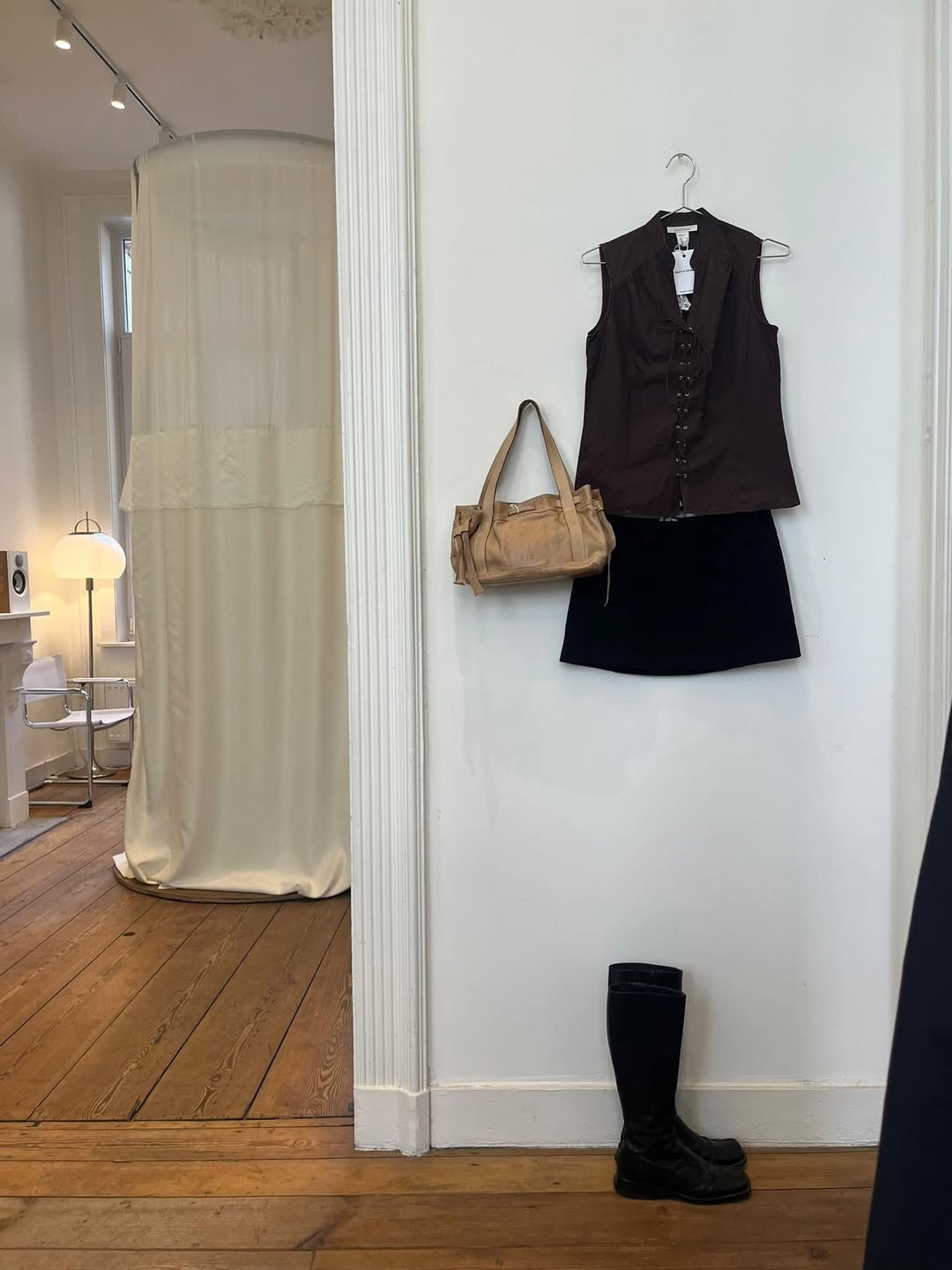
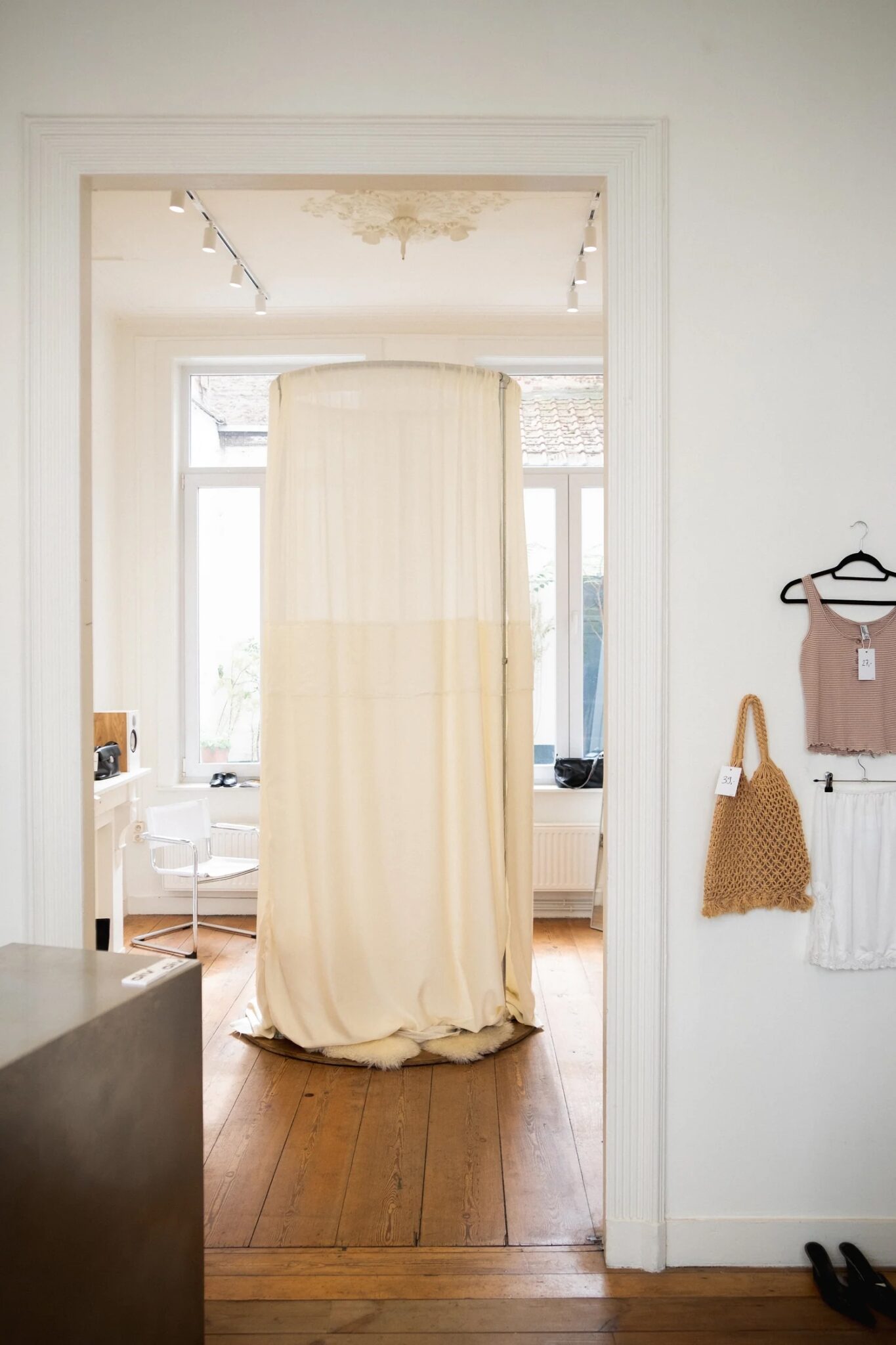
"I think the biggest evolution is that there is now a vintage experience tailored to everyone. There are so many different types of stores, each with its own unique curation and target audience, " notes Ghents Own It Vintage founder Fiona.
"We definitely notice a shift towards a clientele over 45. It's a pleasant surprise, as that generation has typically been more hesitant to buy vintage."
→@own.it.vintage
The blueprint for thriving, healthy neighborhoods is rooted in the concept of a walkable marketplace—one that seamlessly connects the anchor stores with the grit and soul of local independent shops, food, and coffee bars.
“The neighborhood is incredibly important to us. We are surrounded by small, independent boutiques in a slightly higher segment. Because of this, the shoppers in our street appreciate the value of our collection. They know that great quality comes with a certain price tag."
Fiona.
“Appointments give the story room to live, the context space to breathe. That’s what gives an object its soul. Online, it’s stripped of all that—it’s just a flat image.”
“For Gen Z, happy bubblegum grunge, American Apparel–soft- porn Tumblr vibes, and ’80s BOY- wave all collide — collapsing contexts, remixing eras, ignoring the original sources, and playing fast and loose with authorship. Genres are just raw ingredients for a whole new identity — not a nostalgic costume party.”
"The need to acquire instantaneously has evaporated. Impulse purchasing is decreasing, as Gen Z focuses on research and knowledge-gathering in their interactions with luxury. “Many Gen Z consumers aren’t buying products impulsively at the point of inspiration,” Vogue Business and Archival reported at the end of 2025. “In fact, young people are increasingly using social media as a search engine, to research products they’ve seen online or IRL and hear from others about the item’s fit, quality, packaging and more."
The ability of studied, informed resale purchases to broadcast a person’s identity is far greater than any new luxury product: scarcity, quality recognition, understanding of the nuances between the eras and designers of a brand’s history, ownership of special edition or limited release items.The laser-focus on a single year is typical: “I feel like I’m seeing more extremity in terms of year specificity. For example, this is Tom Ford Gucci. This is 1997 Gucci. It’s not just vintage Gucci. It’s not just 2000s Gucci. Recently, I bought spring/summer ‘99 Miu Miu heels. It’s all about the hyper-specificity.”
Emma Rogue, owner of the cult New York City vintage stores Rogue Garms.
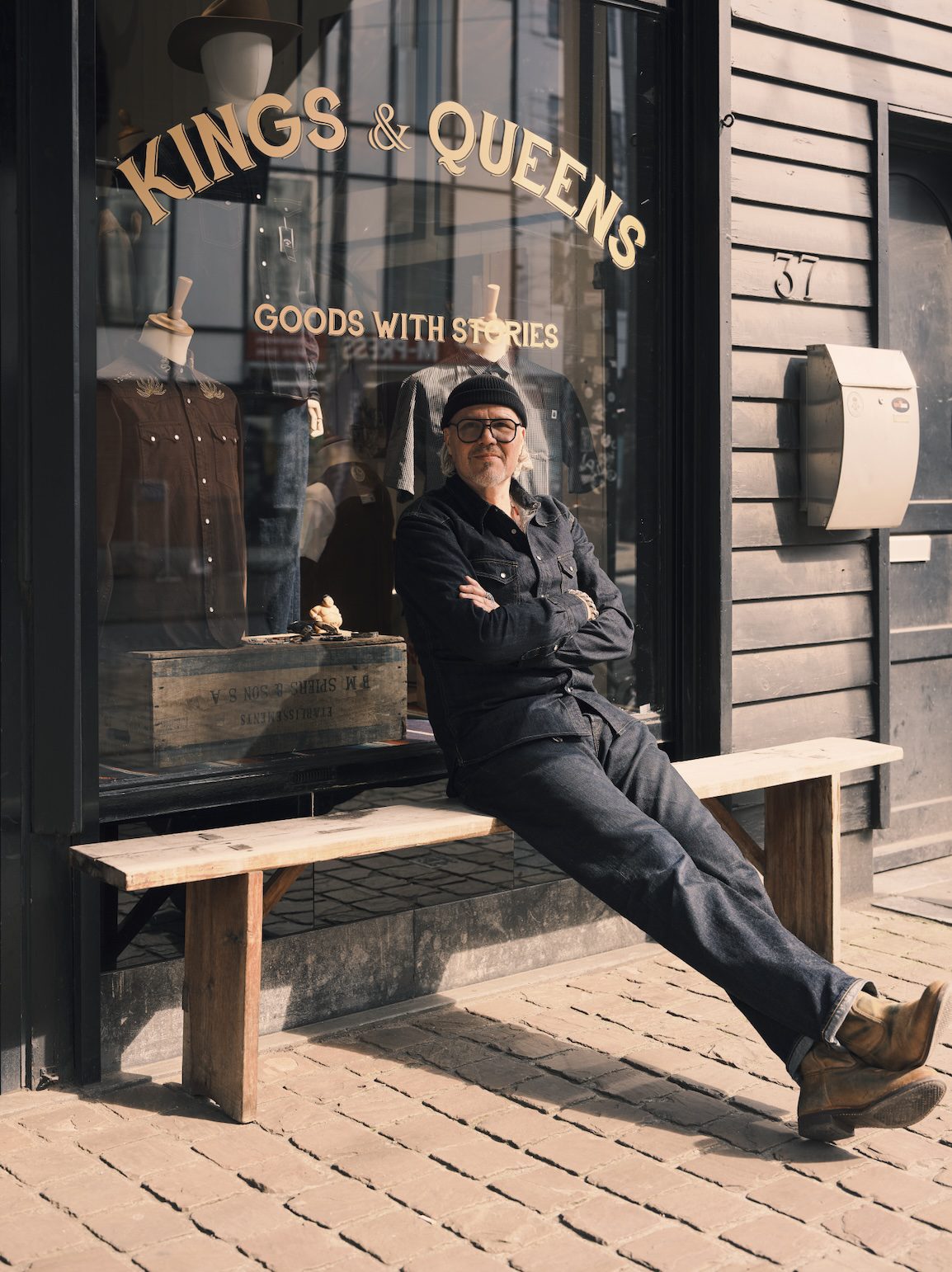
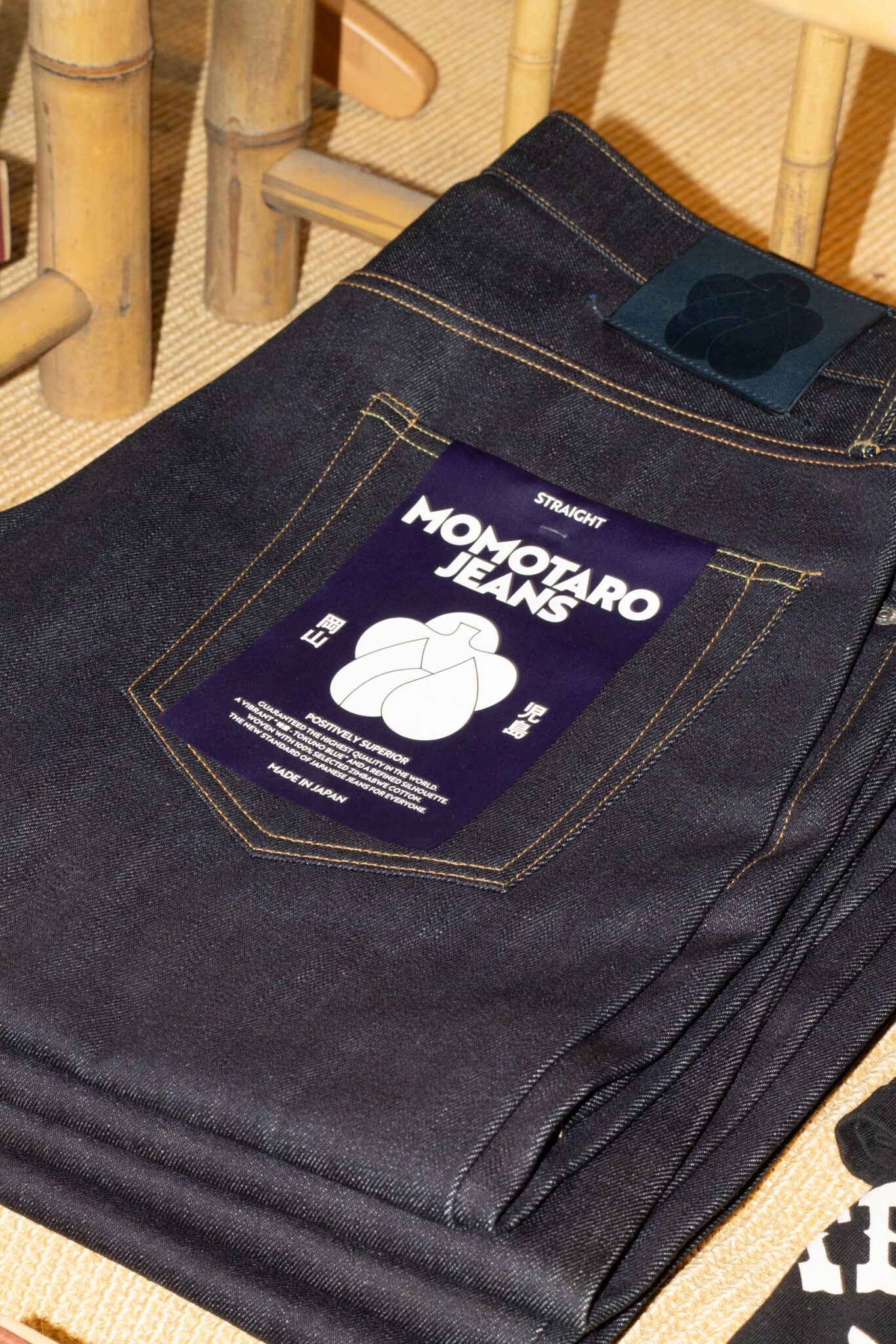
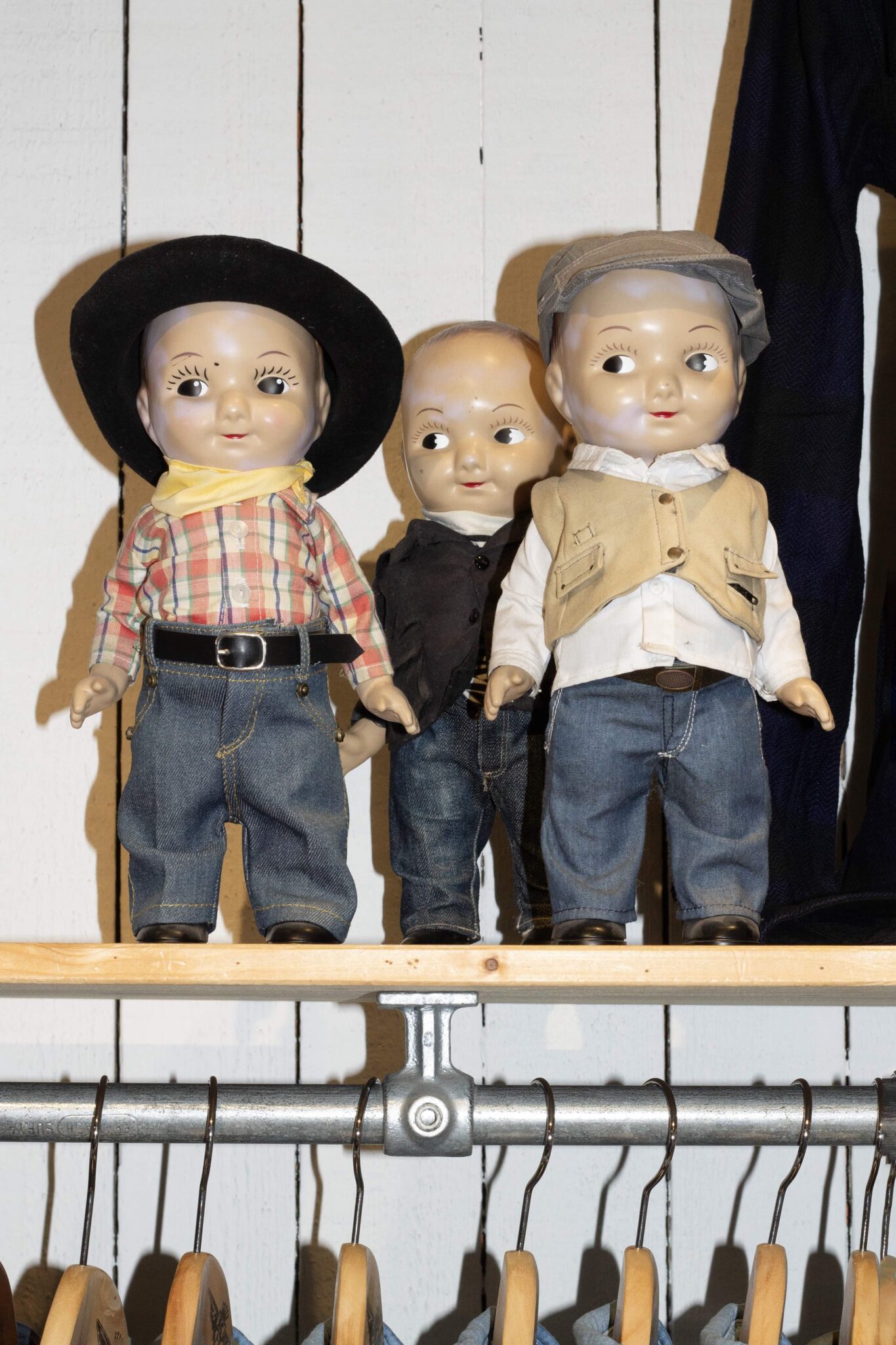
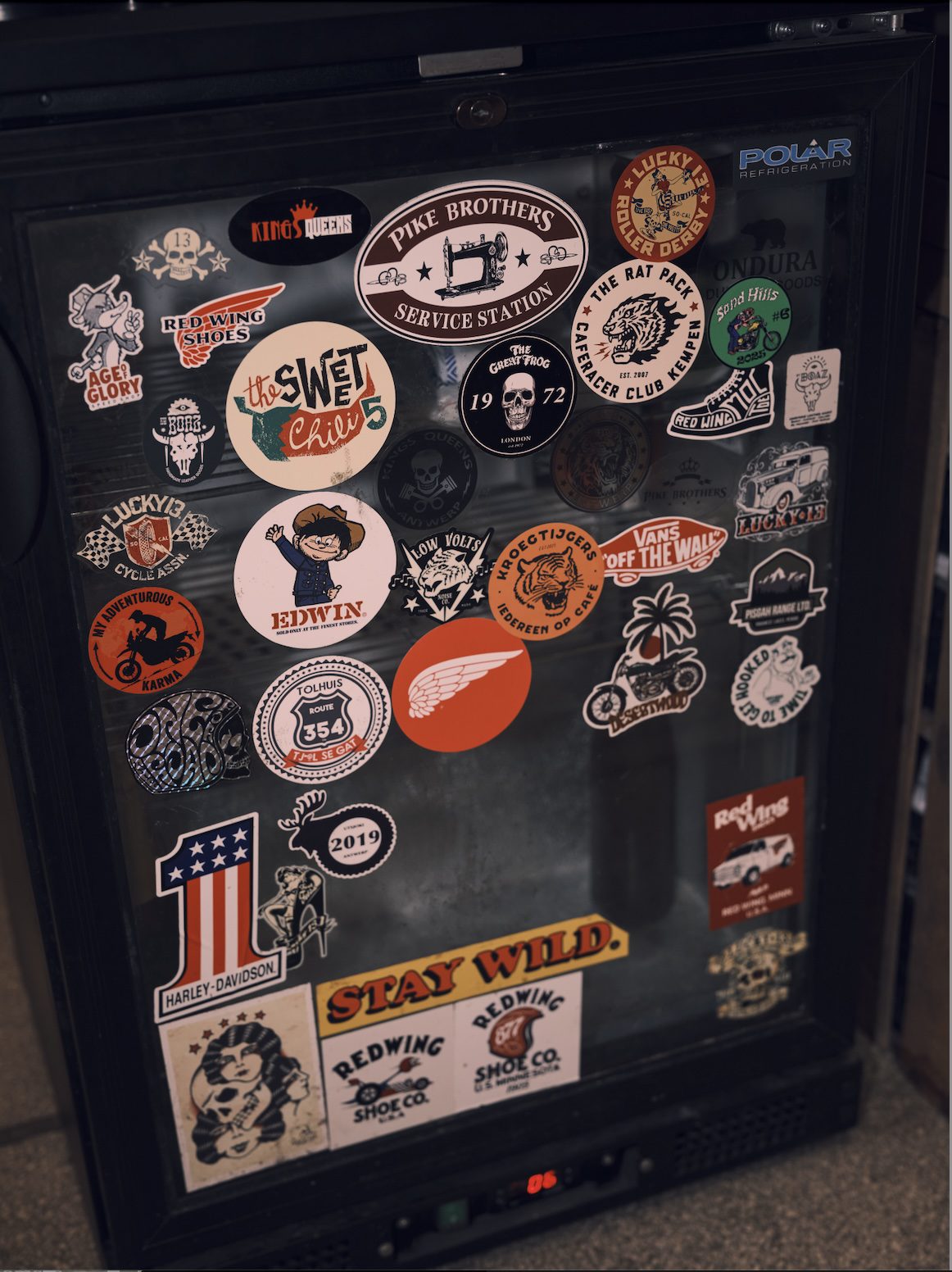
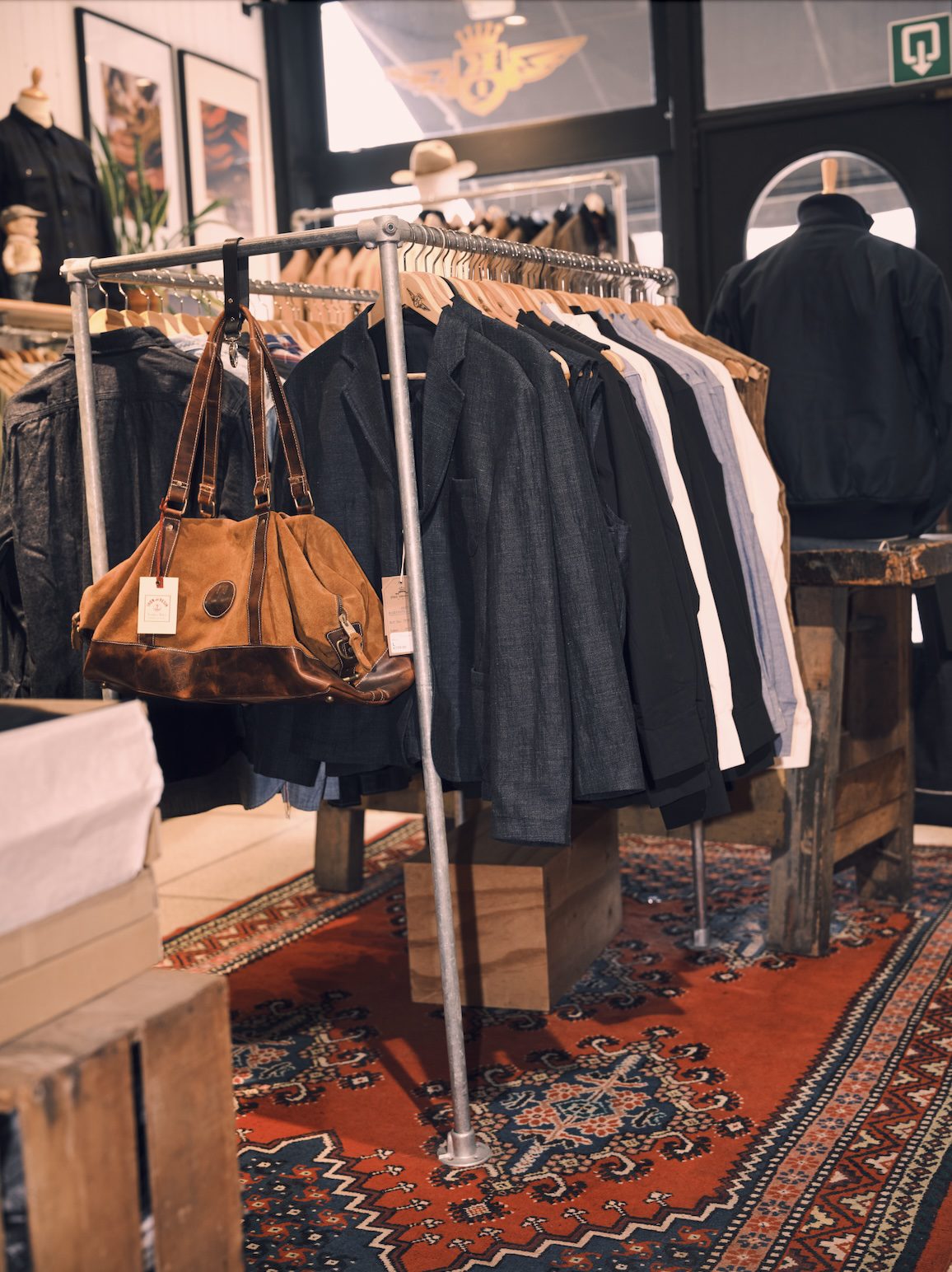
"That hunt for heritage and quality is also pulling in a younger crowd in our store,” says Hans Bollen, founder of Antwerp’s legendary denim store Kings & Queens. The core is still 35+, but lately, I’m seeing a younger generation discover and appreciate Japanese denim. The vintage hype leads them straight to us. They’re looking for those original, fresh pieces so they can start their own story with a favorite pair of jeans, a jacket, or boots."
Today, Japanese denim is often regarded as one of the finest types of denim in the industry. How are the best Jeans in the world actually made?(click on video to watch the whole thing)
→ Kings & Queens is part of a unique glitch in the cities gentrification. If you were to gather the various ingredients of Sint-Jorispoort in Antwerp into one massive, curated department store, you’d have a concept that would break the internet and headline every trend report. While a masterclass in the theory of a perfectly orchestrated neighbourhood, in practice that 'glitch' emerged organically. Planners, take note.
Click here for a curated walk through Sint-Jorispoort.
We believe that the same tribe scoring statuspoints with by digging for archival fashion or chomping (elegantly!) on cinnamon rolls, also loves scoring the latest edition of Buffalo Zine or Apartamento magazine (longtime guardian of rare magazines IMS is going ONLINE), and investing in the finest cheese. Meet Veronique and Leo.
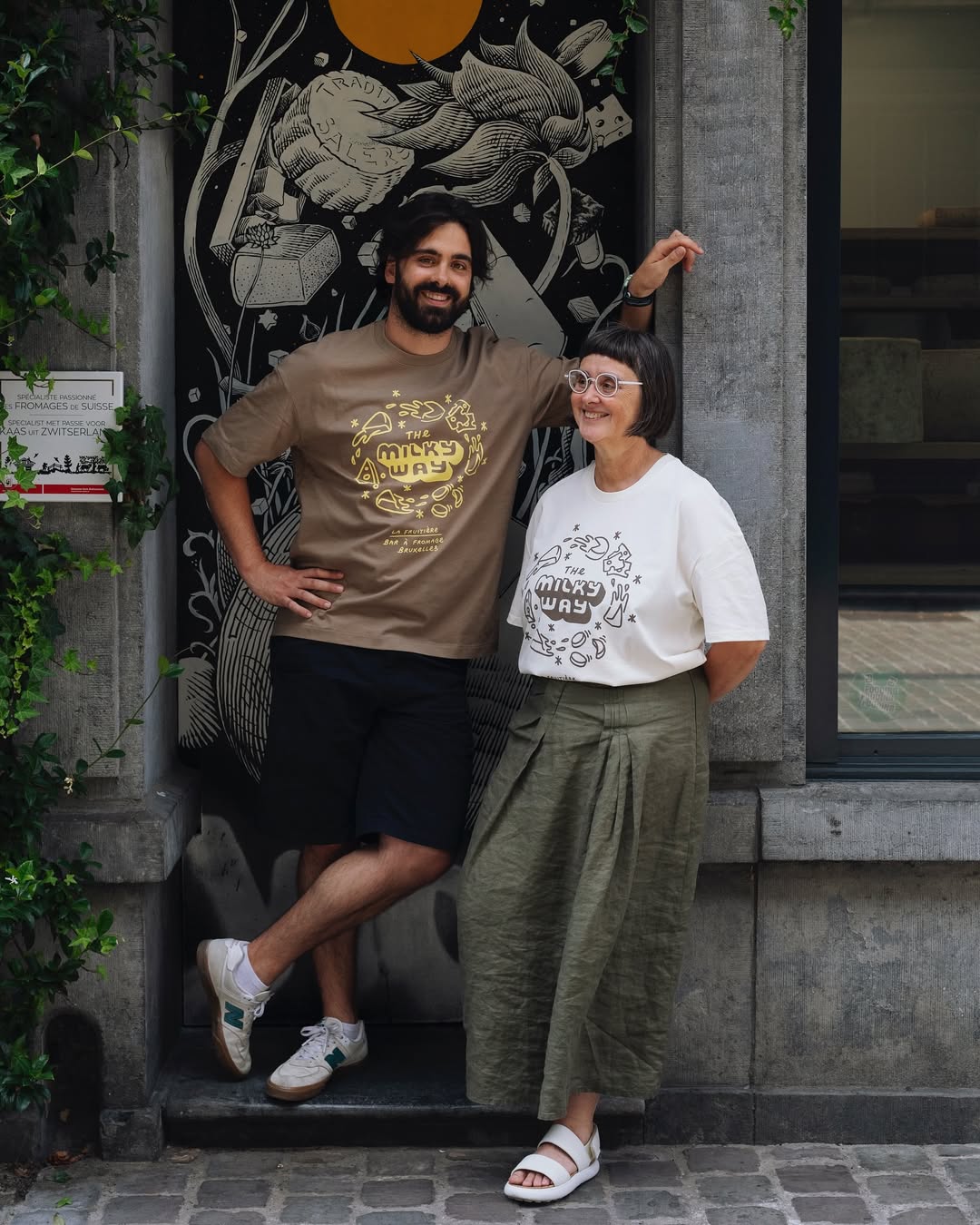
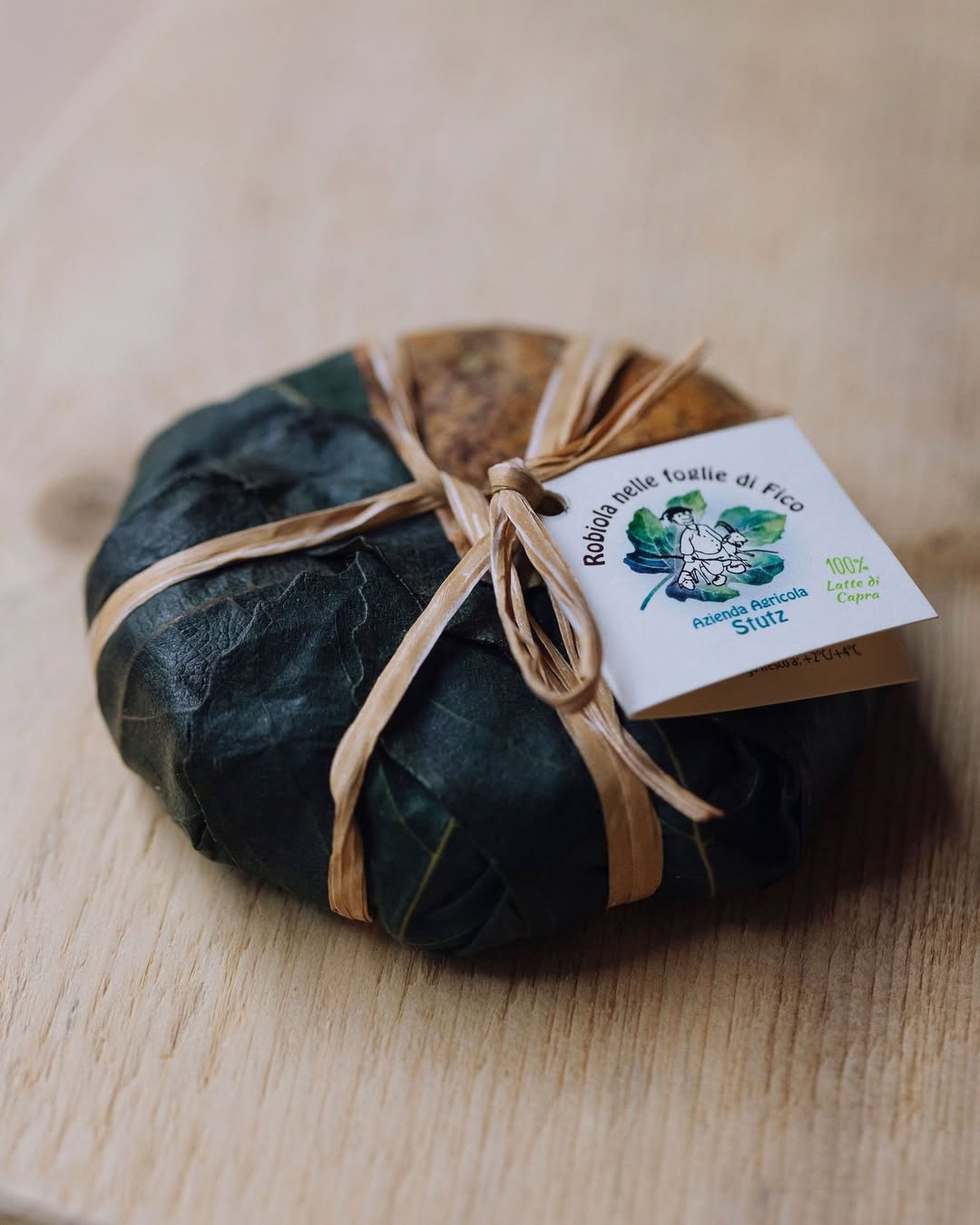
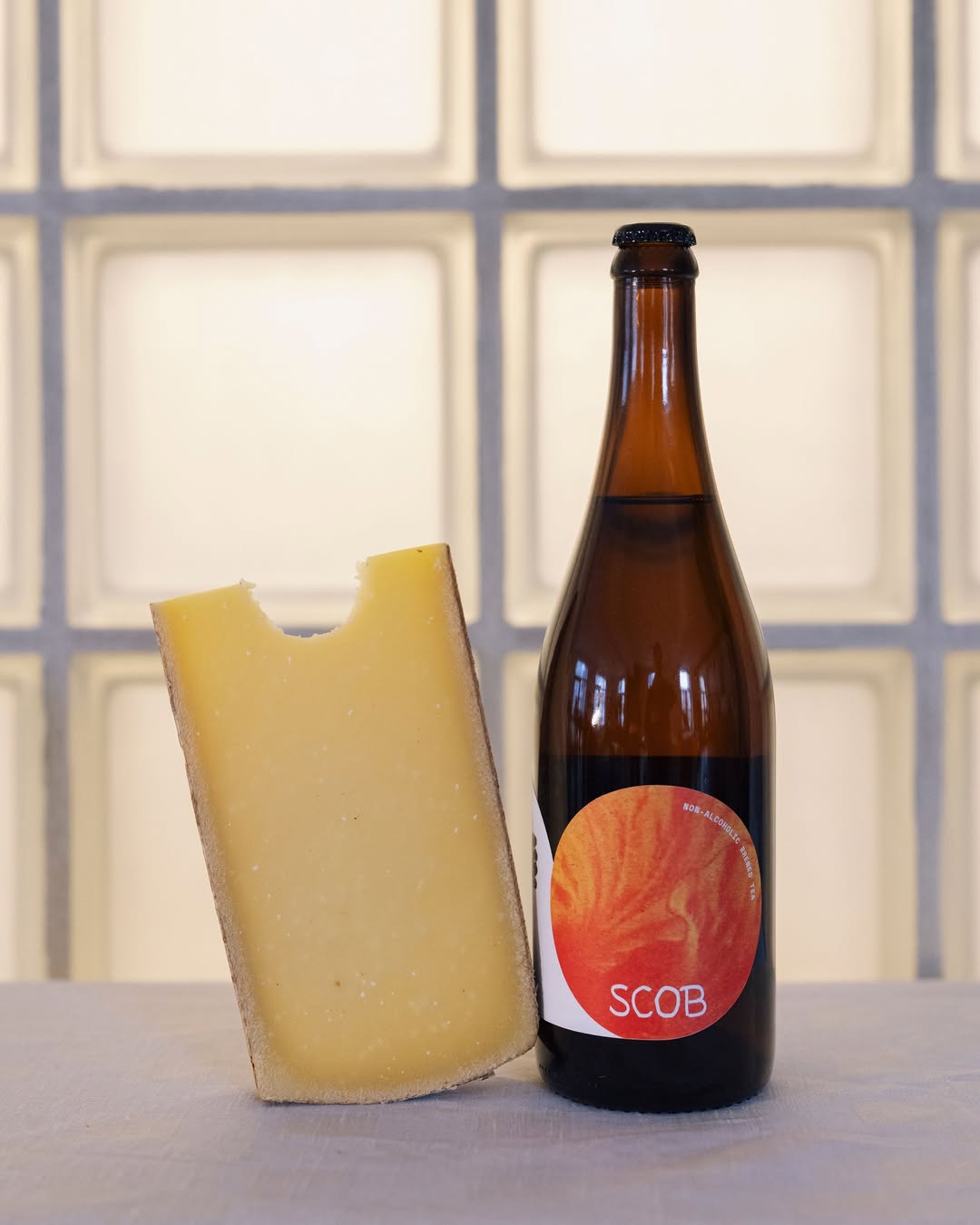
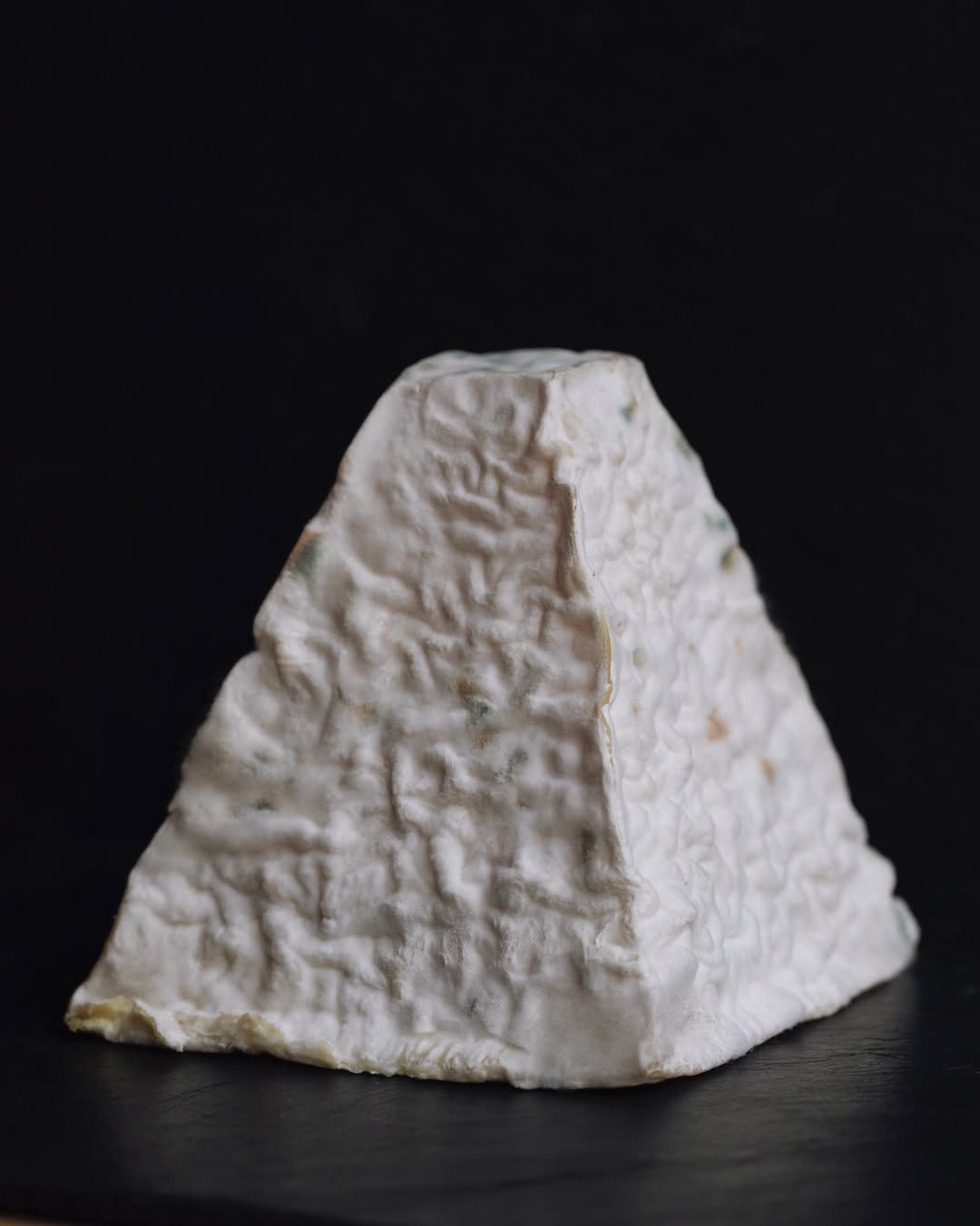
Mother-and-son duo Véronique and Léo founded La Fruitière, a multifaceted space combining a shop, aging cellar, cheese bar, and dairy in central Brussels. And winners of '1er Fromager de Belgique.'“Cheese is at the heart of everything we do—from curating and aging, to serving both professionals and private clients, offering light bites, hosting tasting workshops, crafting cheese boards and buffets, and organizing culinary events celebrating cheese and dairy.”
"Cheese is, of course, not immune to trends; every year brings a new Tik-Tok driven trend. Oven-roasted feta is definitely huge right now. What started in Finland as uunifetapasta quickly evolved from a simple roasting ritual into a global craze that paralyzed supply chains, triggering a "TikTok-induced shortage" that stripped shelves across Europe and North America. Some stores ran out of feta cheese. One big chain store reported that their feta sales went up 300%."
How do you curate your cheeses?
"It's a process of visiting the makers. Meeting the people behind the products, getting to know the little stories behind them. Tasting, sharing, again and again."
Is there an absolute favourite?
"Comté, for sure. It takes us back to our Jura roots. It is inseparable from its region and symbolizes the relationship between the land and its people."
A conversation with founders Kim and Raf Maes on why a Belgian based sunscreen brand has retailers like Luisa Via Roma, Corso Com and Le Bon Marché lining up.
+ Kim's favourites for drinks, dinner and coffee in Hasselt.
→ @blos_shop
Crucial to the ecosystem of a great microhood are the Local Heroes— headstrong, independent entrepreneurs who give a city its taste and edge. Their craftsmanship, curated offerings, and human scale offer an emotional relevance that far outlasts the cold efficiency of online discounters. They are the reason to "justify the trip."When you combine that with a new way of looking at interior design, things get interesting.
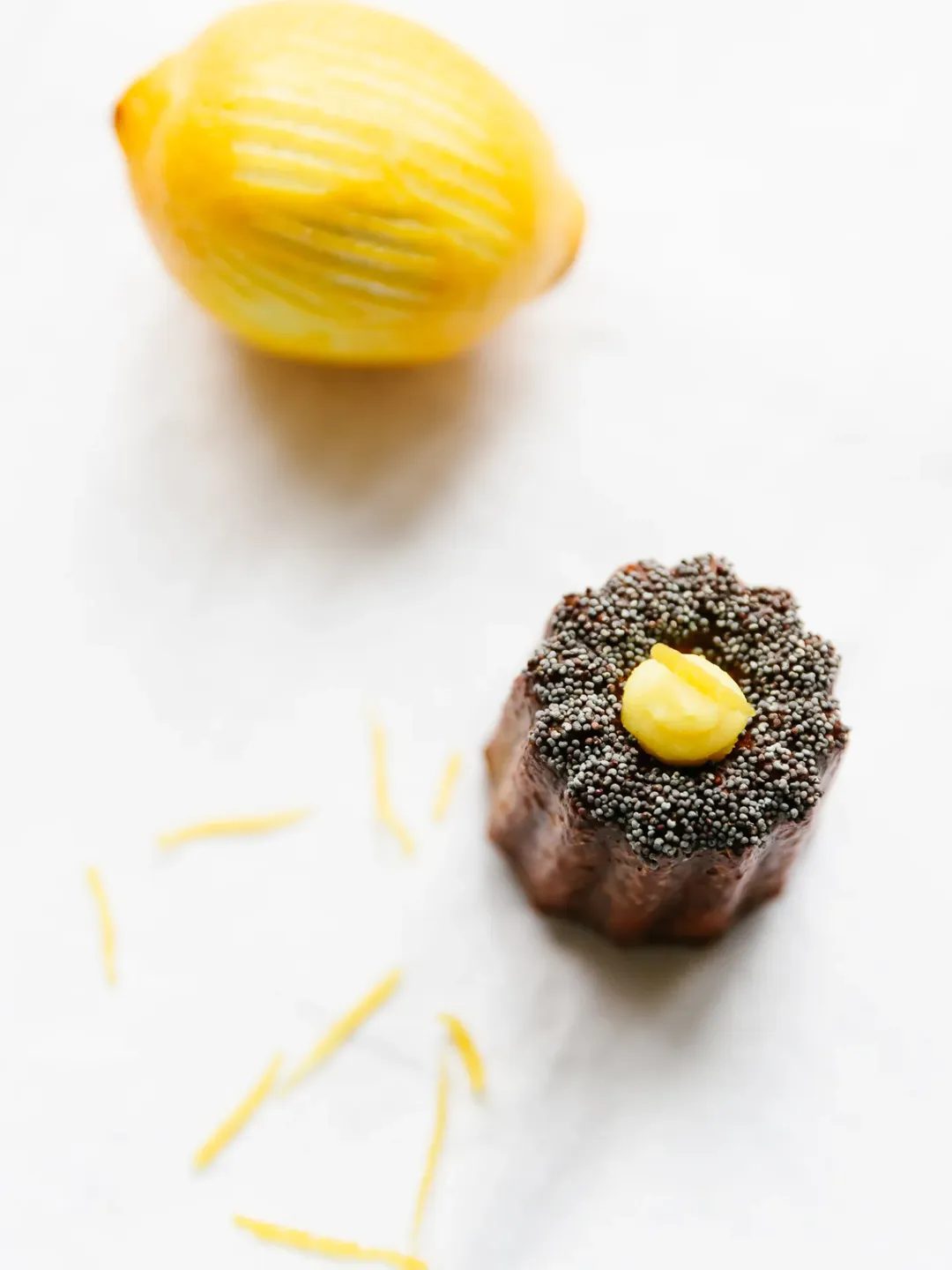
Apart from a boutique-like collection of canelés - TRY THE LEMON CANELé! - transforming a coffee break into a Parisian vibe, the interior design by groundbreaking ONO architecture studio, makes Cafe Canelé a must-visit for the foodie with an eye for architecture.
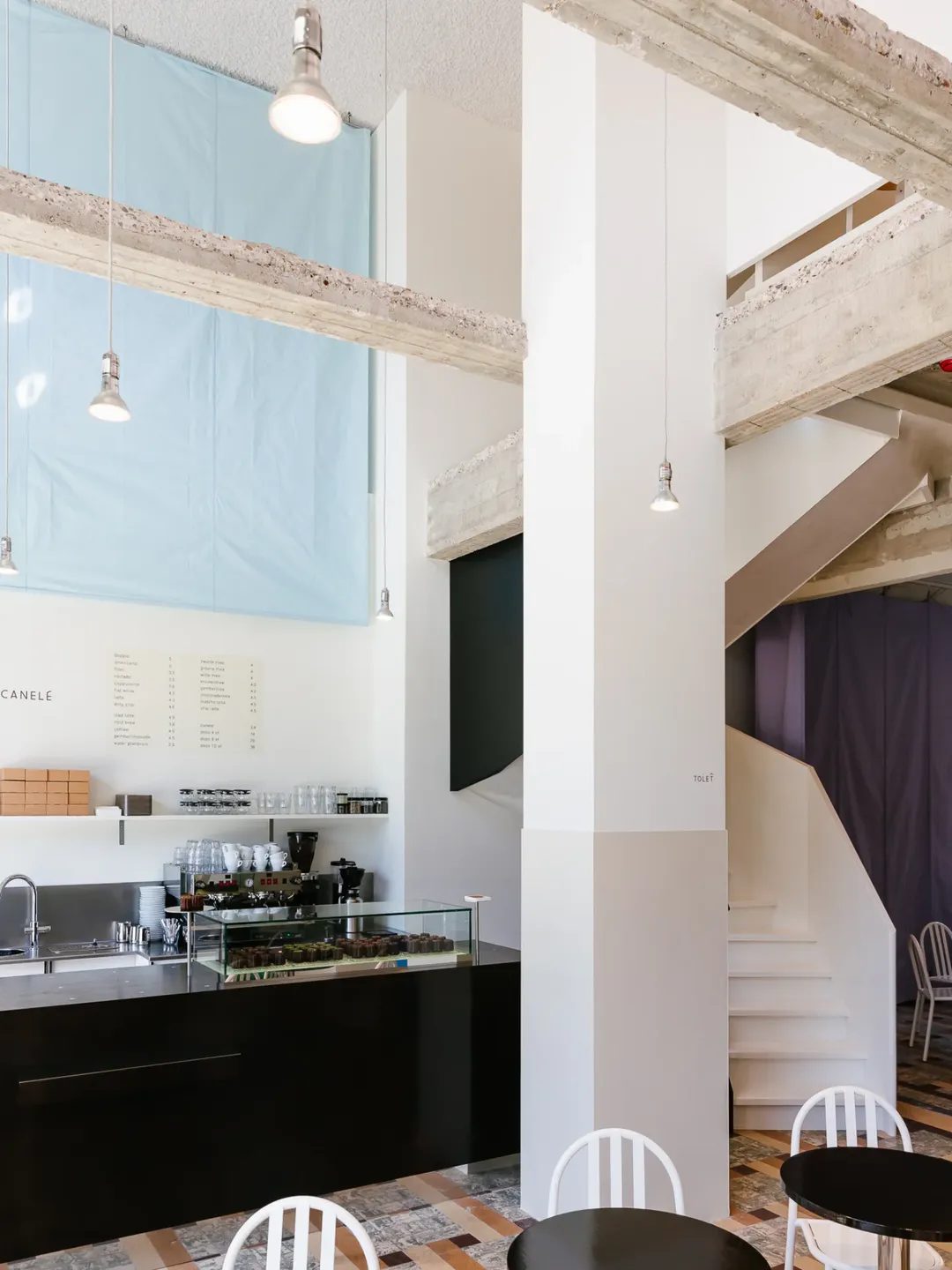
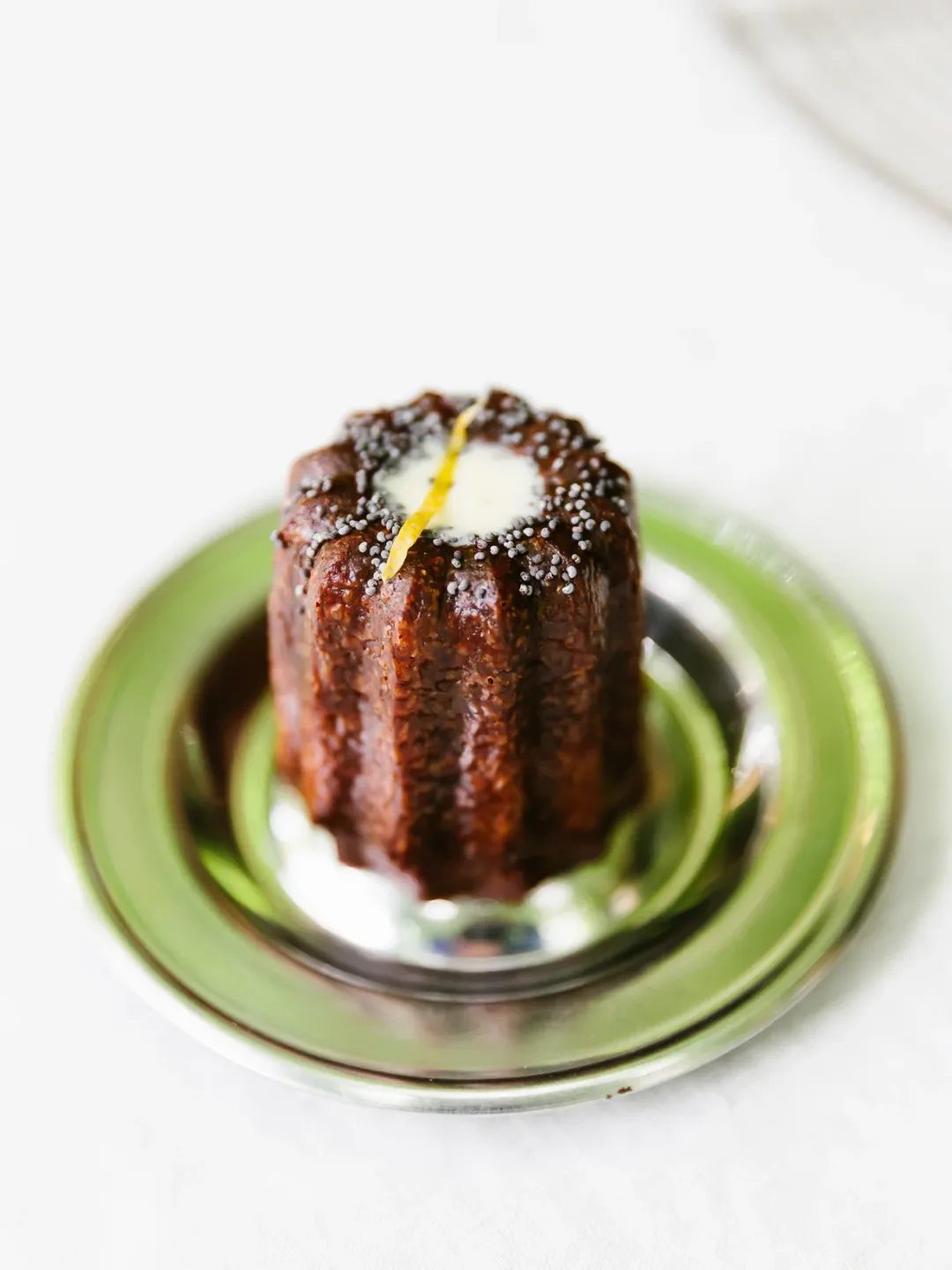
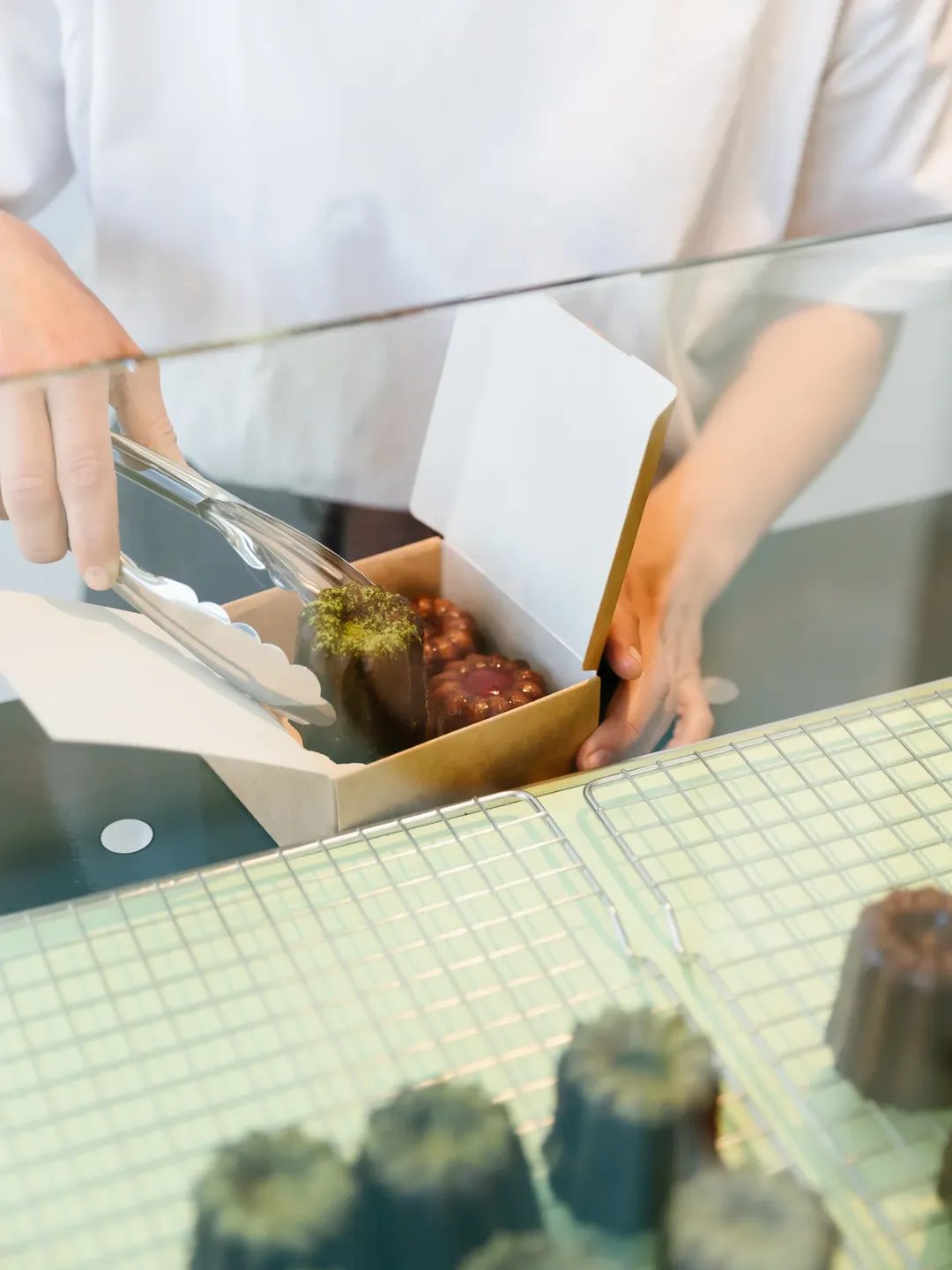
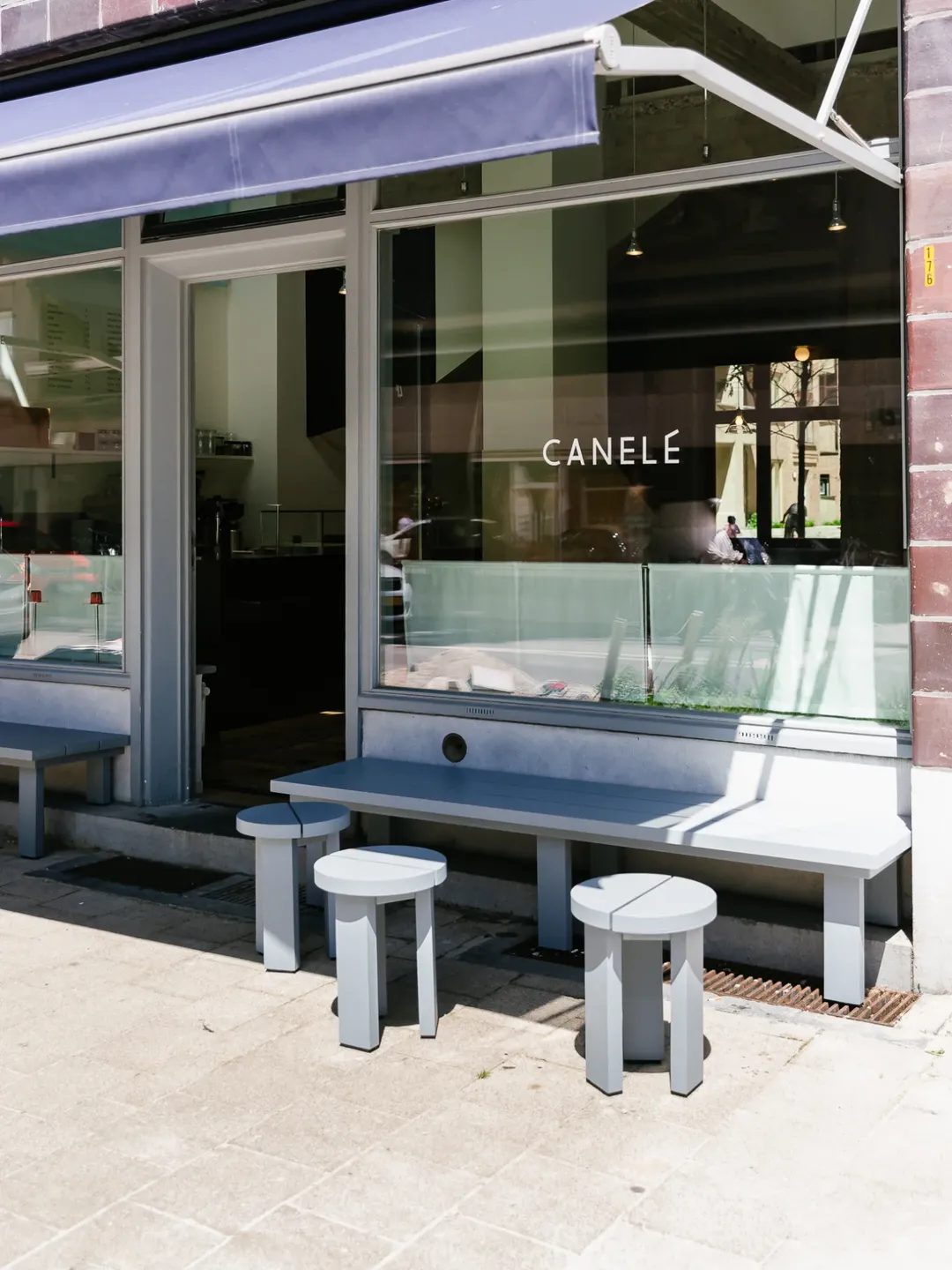
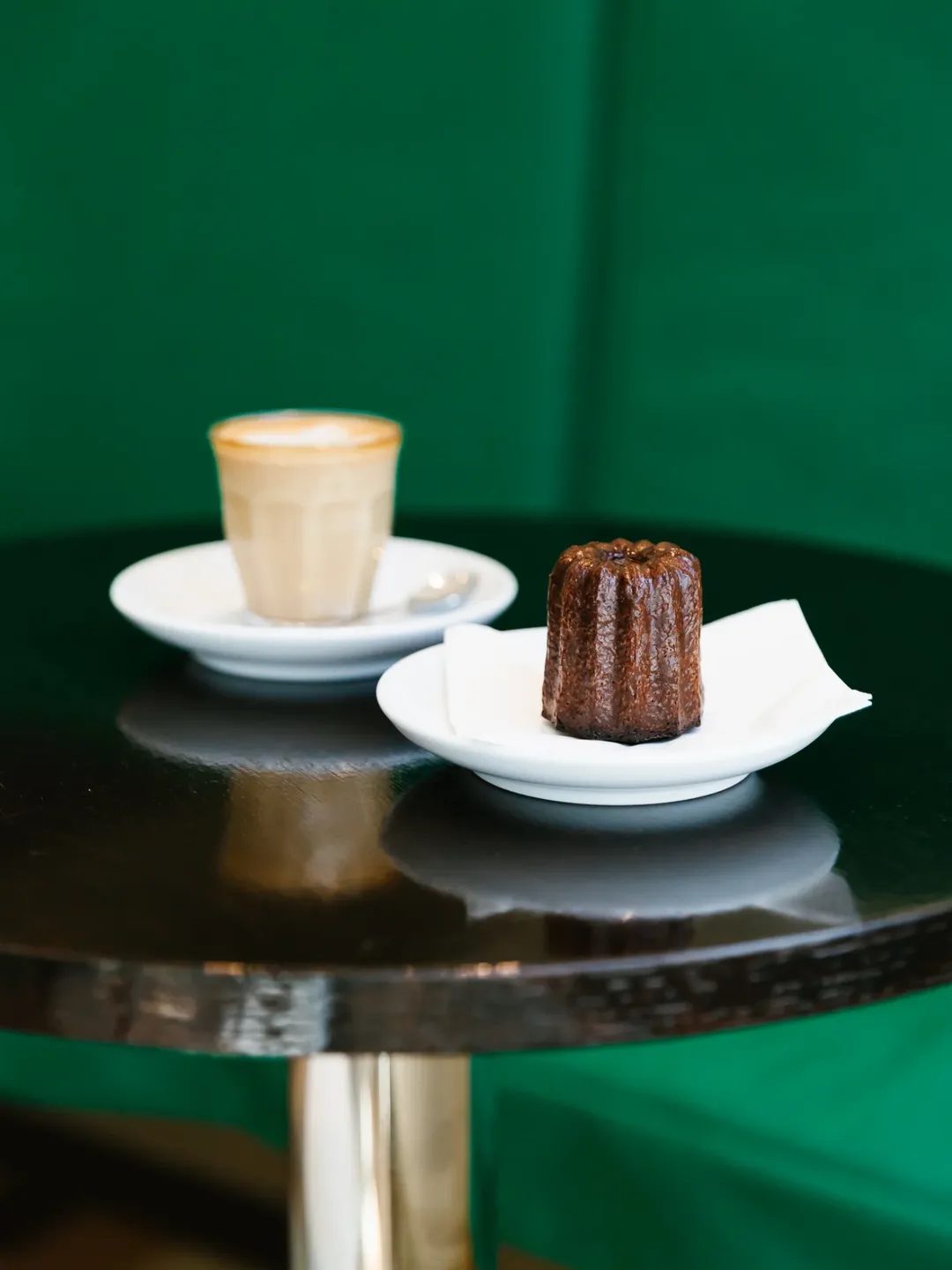
"The design builds on what is available, picking up the existing architectural narrative of the revitalized Fierensblokken," says Sara Verleye, one of the ONO architects on the project. "It breaks with the material-heavy temporality of retail interiors that stand detached from their buildings. The meticulous re-piecing of the original floor perfectly illustrates that idea of reuse." Insider tip: ask (politely) to look behind the counter to see how creatively that floor was puzzled together.
@cafecanele.antwerp
Coffee lovers likely know the most photogenic feature of one of ONO architecture studio's other coffee temples in Antwerp: the massive concrete pillars on the terrace of Caffènation Blue. The M127 building proves how a design can revitalize a neighborhood. What was once an indistinct, hermetically sealed office building is now a smart neighborhood hub combining a co-working spot, law firm, community garden, and concert hall. A rethinking of reuse—stripped to the carcass before adding new layers for shared functions—of public space, and of the architect’s role. The collaboration between ONO architecture, artist Philip Aguirre y Otegui, landscape architect Ludovic Devriendt, and London-based Universal Design Studio illustrates an interdisciplinary way of working, moving away from the architect as the sole protagonist.“The building is a snapshot, as far as we’re concerned. It’s not final; its flexibility allows it to easily morph into something entirely different in the future. This creates a hybrid aesthetic that emerges with building reuse. Two wide-cut voids connect the lunchroom and library with the now spatially opened ground floor.”
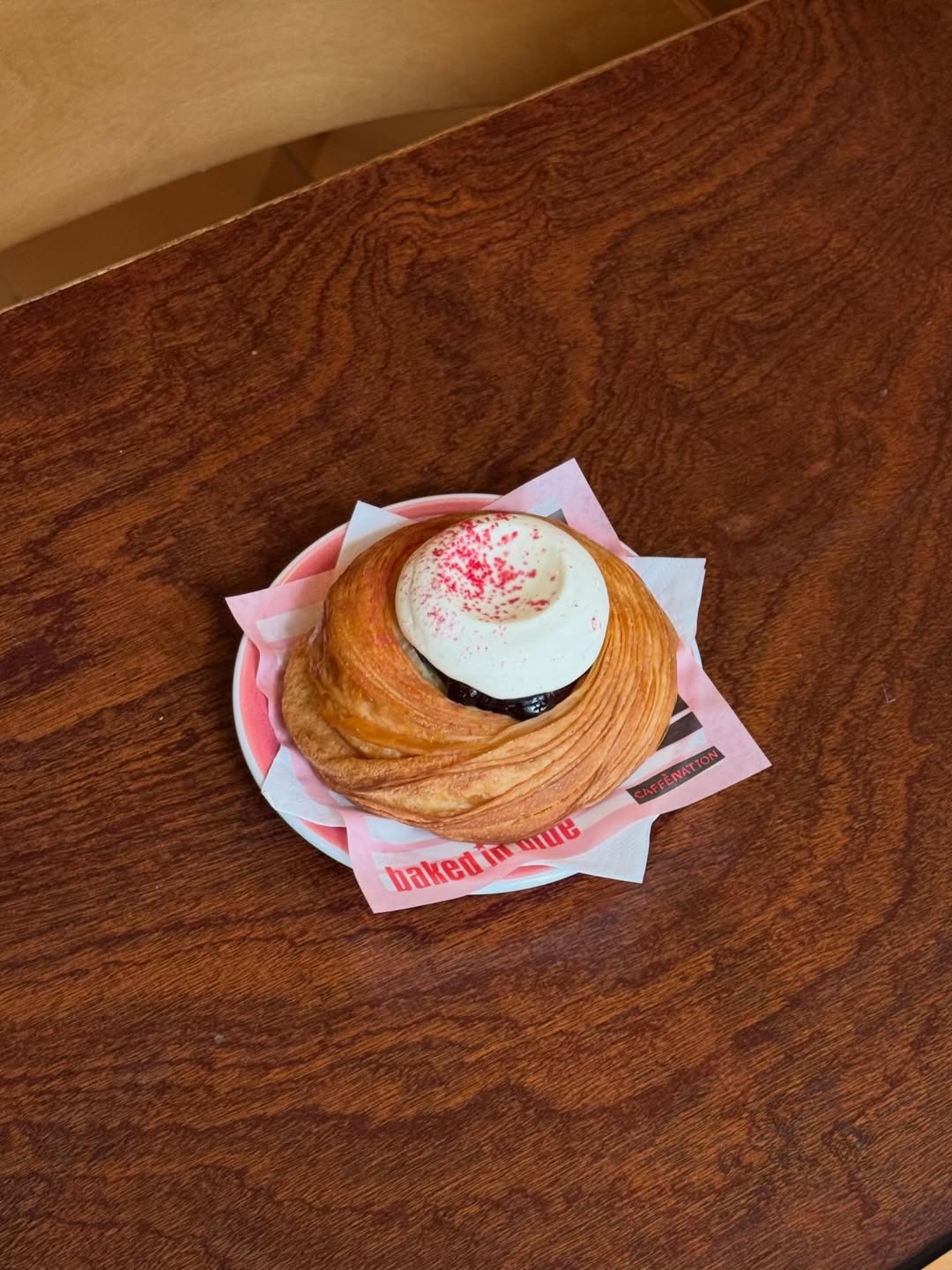
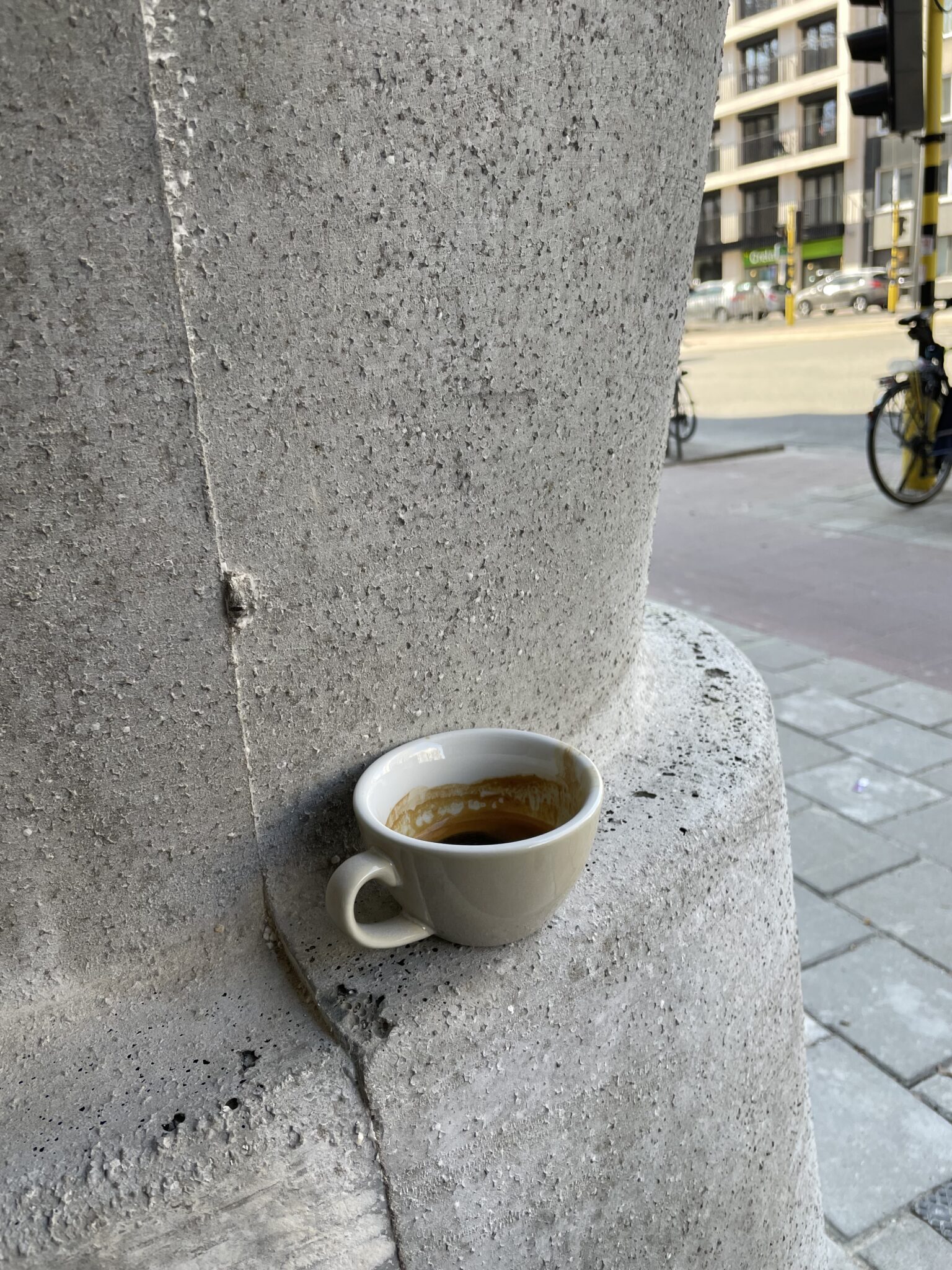
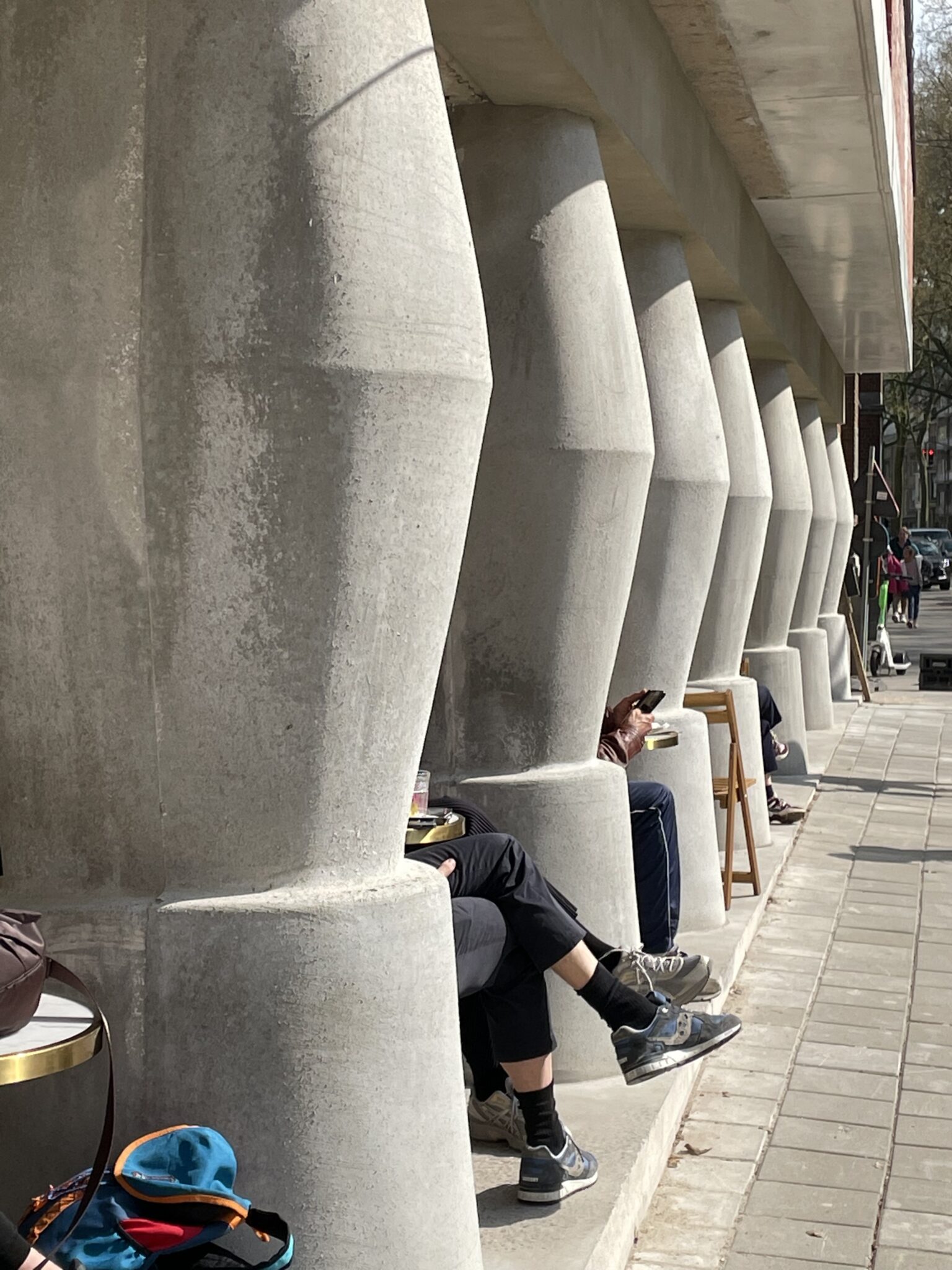
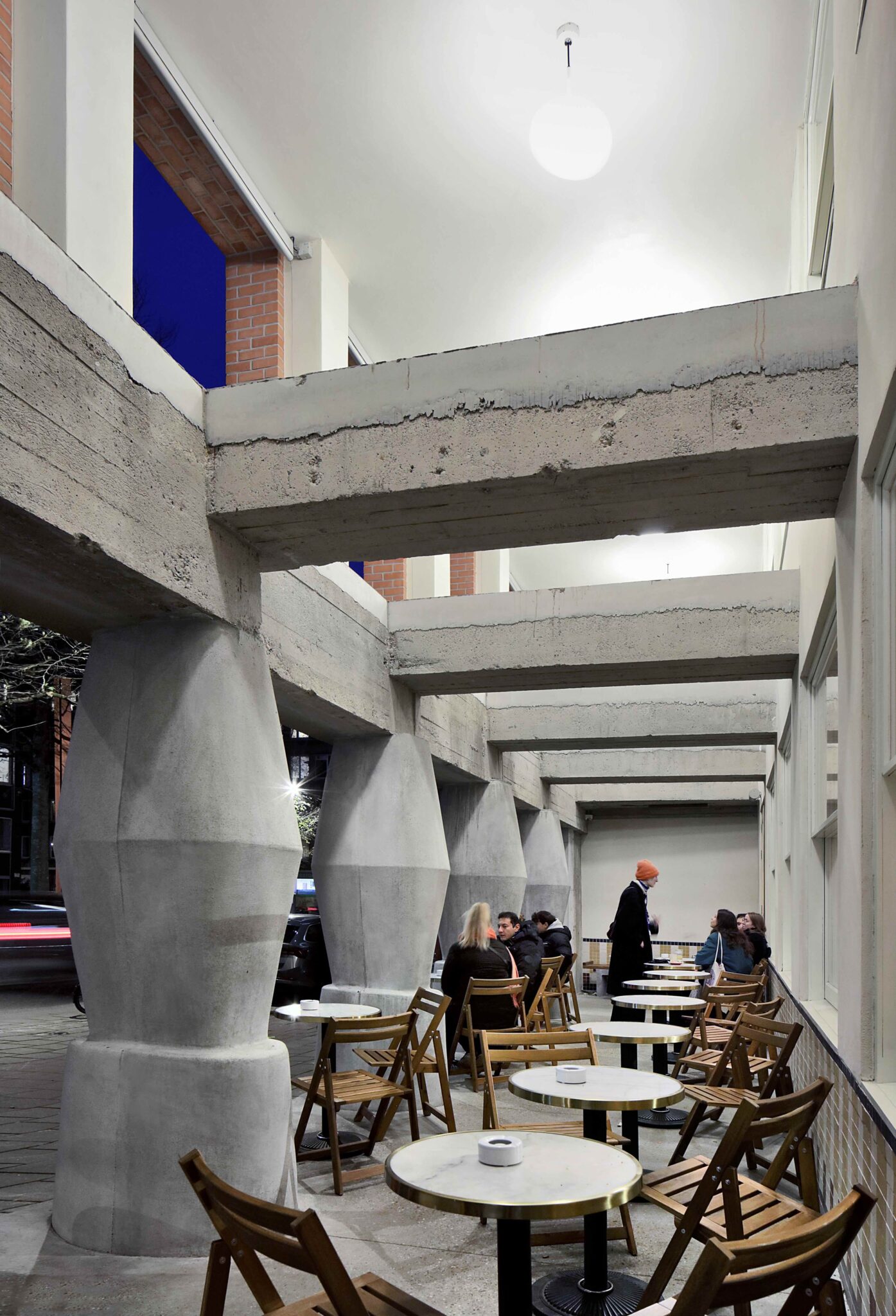
The much-discussed cylindrical columns on the terrace originated from technical necessity, with an artistic layer added afterward. “That’s Philip Aguirre’s vision too,” says Sara. “He only wanted to intervene where necessary—in this case, a new concrete casing that had to surround the original pillars anyway because they lacked sufficient cover for exposure to the elements. An extra sculptural layer embedded in the art integration as a necessity.”It started with small sculptures, evolving into the concrete statement that now opens the building to the neighborhood at the street side. “And which also partially shields you on the terrace from that busy thoroughfare,” Gert adds. “The thickness of the columns creates a very sheltered feeling. An idea inspired by the historical loggia, like the porticos in Bologna.” Architecture (and coffee) enthusiasts know where to go.
CAFFENATION BLUE - Mechelsesteenweg 127, 2018 Antwerpen
@caffenation_coffee
“Food shouldn’t be a status symbol,” says Jan of Grappe de Raisins, the iconic delicatessen in Knokke-Zoute. A striking statement from a man who—together with his wife Geert—has practically defined the blueprint for what a high-end ‘grocer 3.0’ should be. “Our focus is on quality. Offering the very best, it’s as simple as that.”
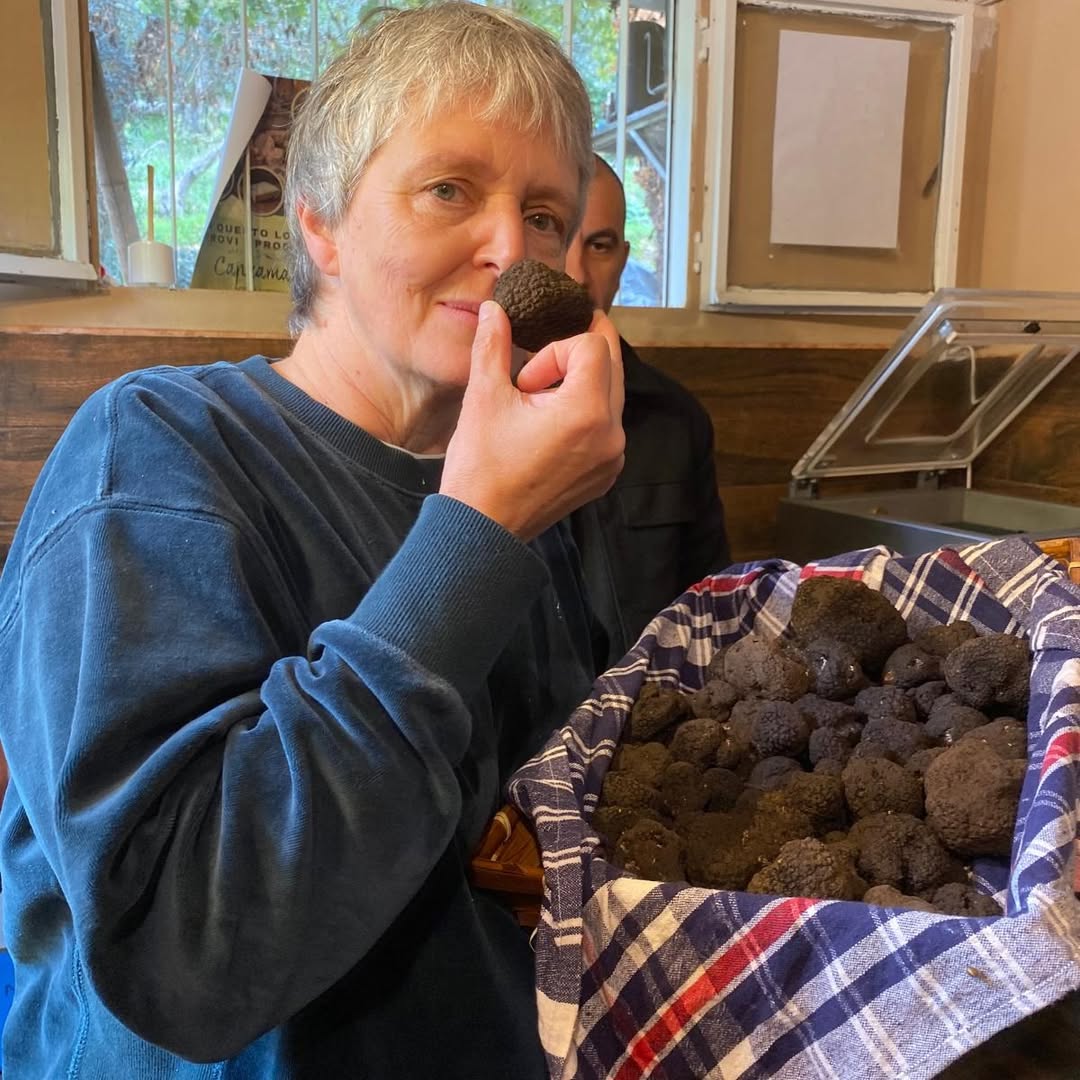
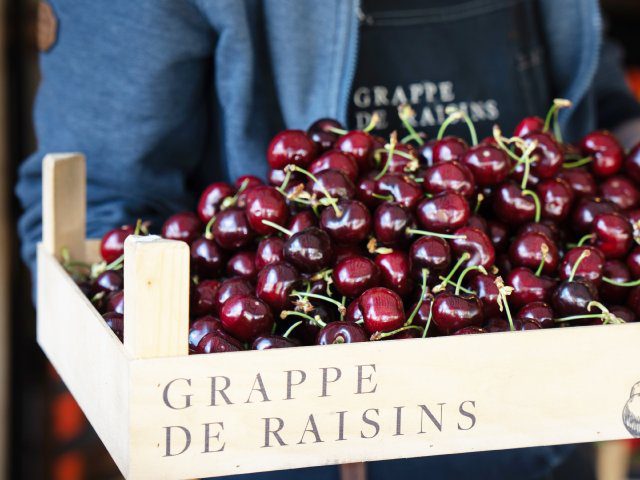
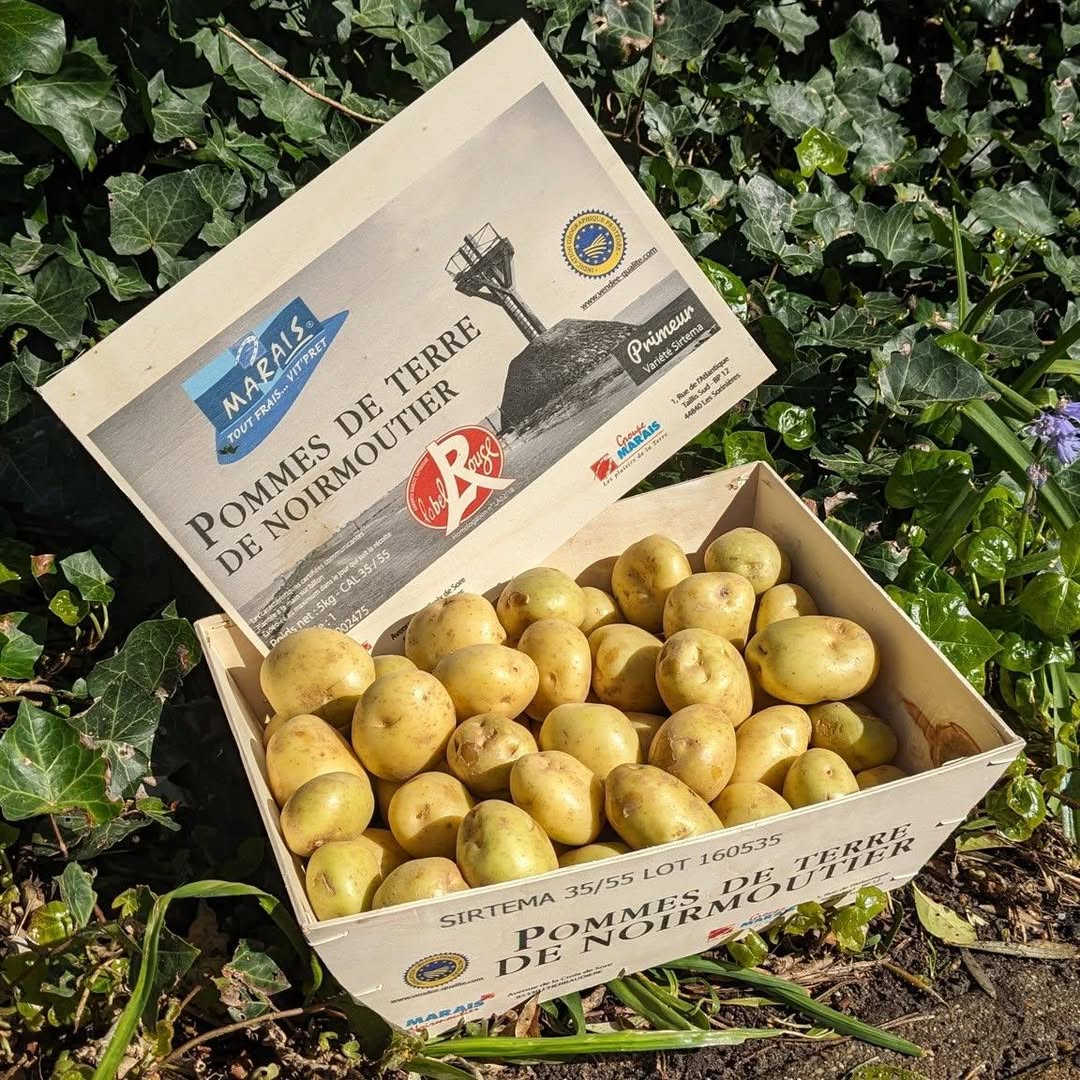
From the season’s first plump French cherries, primeur potatoes from Île de Noirmoutier, Jill Cnudde and Michelin-star chef Roger Van Damme’s tea vinegar, Kult water kefir, Iberico aged and dried since 2019 (sliced live by a cortador), Rish kombucha, Brie de Meaux from Fromagerie Rothschild, Menton lemons (the world’s sweetest), fresh truffles, Tête de Moine AOP from Fromage de Bellelay (aged 2.5 months using an 800-year-old method), a cluster of Muscat d’Hambourg grapes, to the daily specials… exploring Grappe de Raisins is like taking a culinary journey around the world.
→ @grappederaisins